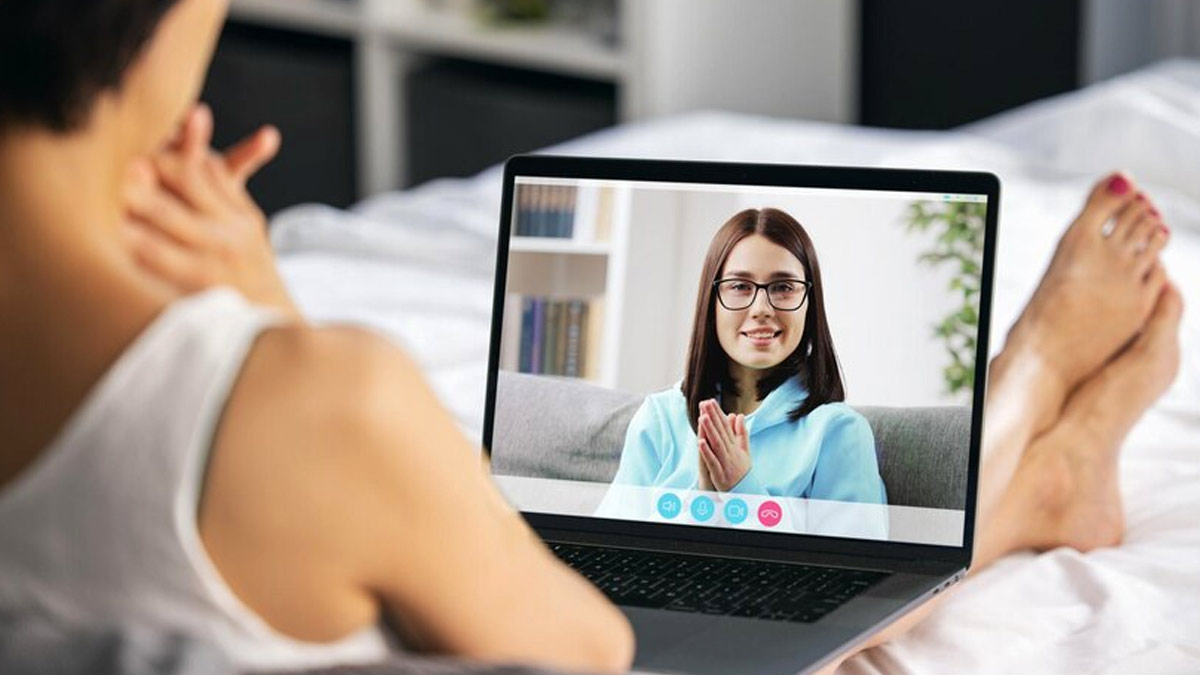
In today's fast-paced and often unpredictable world, anxiety has emerged as a common experience that many people struggle with. Defined as a feeling of worry, nervousness, or unease, anxiety can manifest in various forms, affecting our emotional and physical well-being. Whether it is the pressure of daily responsibilities, the uncertainty of the future, or the overwhelming nature of global events, the sources of anxiety seem almost endless. Understanding this complex emotion is vital for not only recognizing its presence in our lives but also finding effective ways to manage it.
The rise of technology has transformed how we approach mental health, leading to greater access to resources such as online therapy. This innovative solution provides a flexible and often more comfortable environment for individuals seeking support. By exploring the nature of anxiety, its symptoms, and the potential benefits of online therapy, we can better navigate the challenges it presents and foster a sense of resilience in a chaotic world.
The Rise of Online Therapy
The digital age has transformed numerous aspects of our lives, and mental health support is no exception. As traditional barriers to therapy such as location, scheduling, and stigma continue to be concerns, online therapy emerges as a viable and often preferable alternative. adriacabestany.com allows individuals to access mental health professionals from the comfort of their homes, offering flexibility that caters to diverse lifestyles and needs. The convenience of virtual sessions has made mental health care more accessible, particularly for those who may hesitate to seek help in person.
Another factor driving the popularity of online therapy is the increasing recognition of anxiety as a prevalent issue in today's fast-paced and chaotic world. People are more willing to address their mental health needs and seek support, especially as the stigma surrounding therapy diminishes. With the advent of secure communication technologies, clients can engage with therapists in real-time, allowing for an intimate and supportive therapeutic relationship even when physical distance separates them. This shift towards online platforms has opened up a broader array of resources and specialists, enabling individuals to find a therapist who best suits their unique needs.
As the landscape of mental health care continues to evolve, many find that online therapy provides an effective way to confront anxiety. It enables flexibility in appointments, fosters a sense of safety in familiar surroundings, and connects clients with a wider network of professionals. With its growing acceptance and effectiveness, online therapy stands as a beacon of hope for individuals grappling with anxiety, proving that help is just a click away.
Benefits of Digital Support
The rise of online therapy has transformed the way individuals seek help for anxiety. One of the most significant advantages of digital support is accessibility. People can connect with therapists from the comfort of their homes, eliminating geographic barriers and making it easier for those in remote areas or with mobility issues to access quality mental health care. This convenience can significantly reduce the hesitation some may feel in seeking face-to-face appointments.
Additionally, online therapy allows for greater flexibility in scheduling sessions, which is a crucial factor for many dealing with anxiety. Clients can choose times that fit their personal lives, reducing the stress associated with travel and waiting rooms. This flexibility can lead to more consistent attendance and engagement in therapy, ultimately fostering a more productive therapeutic relationship.
Finally, digital support often provides a wider range of therapeutic options and resources. Individuals can explore various approaches to treatment, such as cognitive behavioral therapy, mindfulness, or even group therapy, all available online. This variety empowers clients to find the right fit in terms of therapy style and therapist personality, making it more likely for them to commit to their mental health journey and effectively manage their anxiety.
Strategies for Effective Online Therapy
To make the most of online therapy, it is essential to create a dedicated space that is free from distractions. Finding a quiet and comfortable setting allows individuals to focus better on their sessions. This could be a specific room in the house or a cozy corner that makes one feel safe and secure. Eliminating background noise and interruptions enhances the therapeutic experience, contributing to a more open dialogue.
Establishing a strong therapeutic relationship is crucial in an online environment. Regular communication with the therapist about expectations and goals can significantly improve the effectiveness of the sessions. It’s also beneficial to openly discuss any discomfort or technical issues that may arise, ensuring that both the therapist and client are on the same page. Building trust through consistent and honest interaction helps create a supportive atmosphere for exploring anxiety.
Lastly, integrating additional resources can complement online therapy. Engaging with self-help materials, relaxation exercises, or mindfulness practices can reinforce what is discussed during sessions. Utilizing apps or platforms designed for mental health can help track progress and provide tools to manage anxiety between appointments. Such integration encourages accountability and promotes active participation in one’s own healing journey.